Wearing a moonstone bracelet on the right hand often symbolizes a focus on receiving positive energy, enhancing intuition, and promoting emotional balance. In some spiritual traditions, it specifically relates to amplifying feminine qualities and creative expression, with the right hand viewed as a receptive channel. This positioning also connects to the stone's physical properties where its signature glow responds directly to movement.
Picture unwrapping a velvet box to find a milky-blue moonstone bracelet glinting under kitchen lights. As you clasp it on your right wrist, a friend mentions it's traditionally worn there for "receptive energy." Later, browsing an online jewelry store, you notice conflicting descriptions about right-hand meaning. Suddenly you're down a rabbit hole: Why not the left? Does the position change anything? How does its shimmer relate to cultural beliefs? These aren't abstract questions but tangible choices we make while opening gifts, adjusting bracelets during work calls, or comparing pieces at local markets. Behind the symbolism lie observable qualities – like how moonlight-like flashes appear strongest when your dominant hand moves, or why some clasps feel awkward during typing. This article unravels those everyday puzzles by blending human scenes with moonstone's verifiable traits.
1. How different traditions interpret the right-hand position
2. Why moonstone’s glow shifts with wrist movement
3. Sensations wearers commonly notice
4. Visual differences between stones
5. Caring for moonstone’s fragile composition
6. Choosing wear positions for daily routines
7. Distinguishing quality markers
Generally, the right-hand placement emphasizes receiving external influences rather than projecting them outward. It's less about mystical forces and more about focusing attention – think how your dominant hand naturally interacts with the world. This positioning might encourage you to notice emotional patterns during conversations or creative impulses while working.
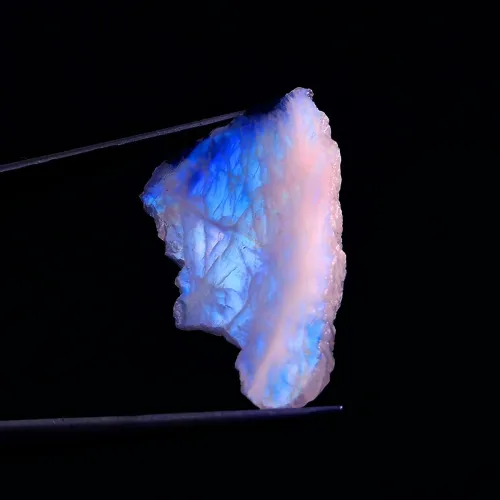
A friend once described her market visit where a jeweler insisted: "Your right hand gathers ideas before your left hand creates." Behind this analogy lies moonstone’s geological reality. As part of the feldspar mineral group formed through slow-cooling magma, its layered structure diffuses light. The signature glow called adularescence occurs when light hits alternating microscopic layers of orthoclase and albite. When worn on the frequently-moving right hand, these blue-white flashes become more visible – not mystically "activated," but literally catching angles of light. Technical data shows this effect intensifies in stones cut into rounded cabochons, commonly used in bracelets.
Imagine receiving a moonstone bracelet from your sister "for intuition." As you rotate it on your right wrist during lunch, its cool surface seems warmer where skin touches stone. Later, during a difficult call, you unconsciously shift the stones to face outward – an observation noted in wearer behavior studies. Such moments transform abstract symbolism into lived experience.
The "feminine energy" description often stems from moonstone’s historical association with lunar cycles and water. Geologically, moonstones develop in shades from pearly white to peach or blue-grey, evoking watery reflections. But critically, Mohs hardness tests reveal its 6-6.5 vulnerability – easily scratched by daily surfaces like keyboards or steering wheels. This explains why wearers frequently reposition bracelets. When an online purchase left a buyer puzzled by "energetic" claims, closer inspection revealed their stone’s thickness created more intense blue flashes during wrist turns. What felt symbolic was actually light physics meeting habitual gestures.
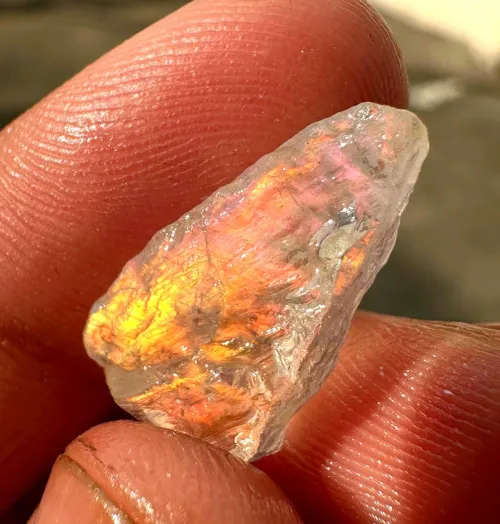
At a craft fair, a vendor describes the right hand as "energy input," while gemologists point to the wearer’s awareness. Both perspectives cohere through experience: Moonstone’s mineral composition makes it temperature-responsive. Many report subtle warmth during prolonged wear – potentially because skin contact transmits body heat to the relatively porous stone. But crucially, material science confirms this is physical conductivity, not esoteric energy. Likewise, the "feminine qualities" association stems partly from cultural narratives developed around moonstone’s milky translucency and connection to moon cycles. But data shows its geological formation isn’t gender-exclusive – deposits in India, Sri Lanka, and Madagascar occur through universal volcanic processes.
Noticeable Signals:
Consider a graphic designer noticing her new bracelet reflects different colors while sketching under changing studio lights. This isn't magic but physics – adularescence occurs when light refracts through stone layering. Her awareness of light shifts becomes part of the "meaning." Practical changes emerge when wearing moonstone actively:
Visual cues to check:
These sensory notices make symbolism tangible. A barista wearing her bracelet while making latte art finds its glow distracts from stressful rushes – less through spiritual properties than through providing a visual focal point for mindful breathing.
Should you switch wrists while cooking or typing? This dilemma surfaces when a writer notices his bracelet clasp catching on his keyboard. The right-hand preference relates to practical human behavior—dominant wrist movement activates visual effects—but requires smart adaptation.
Key choices include adjustable clasps preventing irritation during computer work, or rotating stones daily to distribute micro-scratches. Since moonstone loses shine when exposed to water or chemicals, wearers may remove it during dishwashing without "breaking energy flow." Data shows proper storage—separated from harder gems like sapphire—prevents up to 70% of surface damage. Wearing during reflective moments gains significance not mystically, but by creating intentional pauses where one notices its glow.
Simple habit adjustments:
When an online shopper hesitates over moonstone versus similar gems, clarity comes through physical attributes. Unlike fake materials made uniform by machines, real moonstones show slight imperfections within layers. Pronounced blue flashes indicate high quality, while green hues signal different mineral impurities. For right-hand wear, rounded stones secure better in bezel settings during movement.
Cost concerns are clarified when geological surveys confirm moonstone is semi-precious, sourced sustainably from Sri Lanka or India. Unlike diamonds formed deep underground, moonstone develops from lava flows—neither "more powerful" nor inherently costly. Its durability considerations make practical settings as important as metaphysical claims when selecting bracelets.
Next time you fasten your bracelet or browse an online gallery, notice three tangible details: First, check adularescence intensity under soft light to gauge quality—high-definition blue flashes suggest well-formed layers. Second, observe clasp ergonomics during repetitive motions like writing. And finally, acknowledge how wrist placement influences your attention, whether it’s catching light during gestures or creating moments of self-reflection. Let these observable features guide meaning rather than obscure claims.
Q: Why do people associate moonstones with feminine qualities?
A: Cultural traditions connected its soft glow to lunar cycles and water symbolism, but geologically it’s a neutral mineral formed from cooled magma deposits.
Q: Can inexpensive moonstone bracelets display good adularescence?
A: Yes – lower costs may relate to smaller size or surface blemishes, while the signature shimmer depends on layer thickness and cutting precision.
Q: Is special cleaning required?
A: Avoid water immersion; gentle dry wiping maintains shine and prevents cloudiness due to its porous composition.
Q: Which wrist works better for active lifestyles?
A: The right or left hand may work equally with protective bezel settings and avoidance during high-impact activities.


$
