Moonstone symbolizes new beginnings, hope, and emotional healing during Christmas, amplified by winter solstice rebirth symbolism and June birthstone connections to year-end reflection. Its signature milky shimmer evokes moonlight associated with peaceful holiday nights, while scientifically verified features like adularescence explain its visual properties.
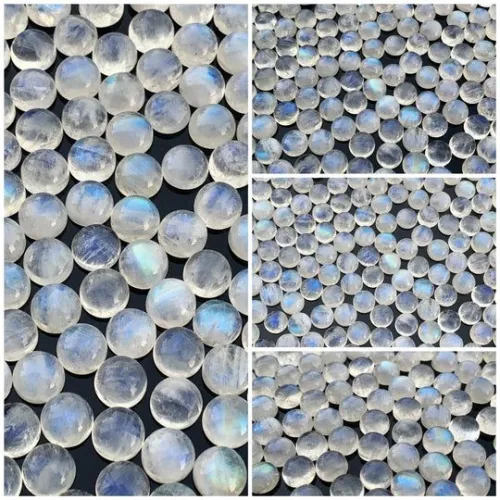
Picture unwrapping a delicate holiday jewelry box only to discover the milky stone inside glows differently than the online product photos showed. Or imagine your grandmother pressing an heirloom brooch into your palm, murmuring how its soft gleam carried generations through dark winters. These real moments spark questions about why June's birthstone appears in December displays, how to spot authentic moonstone in market stalls, and what makes its shifting light connect so deeply with Christmas spirit. Beyond these surface curiosities lie tangible geological traits, measurable traditions, and observable quality signals we'll unpack through practical stories.
What core meanings link moonstone to Christmas traditions?
How did winter solstice history shape these connections?
What material science creates the signature shimmer?
Which natural variations indicate authentic stones?
What practical criteria help when gifting moonstone?
How does legacy value differ from technical specs?
New beginnings and emotional resilience emerge as moonstone's primary Christmas symbolism, stemming from winter solstice narratives and June birthstone reflections. These themes materialize through observable traits: its cool light diffusion recalls moonlit snowscapes, while layered orthoclase structures create the stone's signature "rebirth glow".
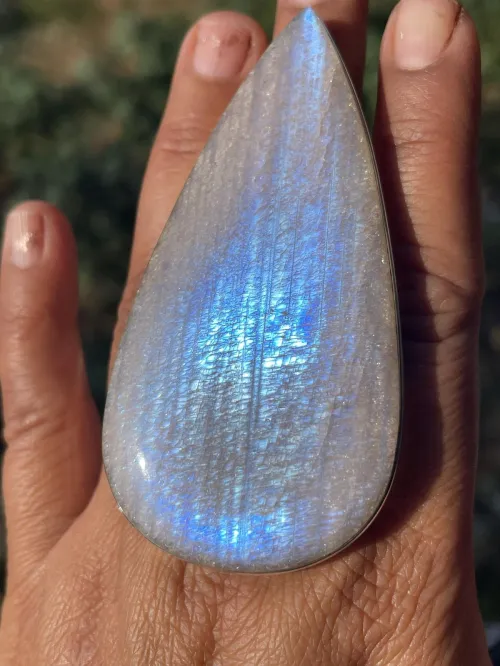
A friend once described finding a moonstone pendant in her Christmas stocking after a difficult year. Under the kitchen lights, its blue sheen seemed to move with every turn of the chain - like moonlight shifting on fresh snow. That illusion, technically called adularescence, happens when light scatters through alternating mineral layers only 50-100 nanometers thick. Unlike supernatural claims, this proven optical effect creates that peaceful winter aesthetic. Geologists confirm moonstones from Sri Lanka and India often display this trait strongest, connecting its tangible beauty to cultural associations with hope. When worn close to the skin during gatherings, people may report feeling anchored to seasonal optimism - a psychological bridge between mineralogy and meaning.
Ancient moon-worshipping solstice rituals directly influenced moonstone's Yuletide symbolism, blending astronomical rebirth narratives with the stone's geological properties. Before Christmas formalized December feasts, Nordic warriors carried moonstones during solstice nights to represent winter survival.
Picture villagers in medieval Norway passing a moonstone amulet during solstice fires as flames spark its inner radiance. Modern gemologists traced this tradition to moonstone's natural response to directional light. The layered orthoclase structure creates an internal glow reminiscent of moonrise against new snow - a visual parallel to solstice's "returning light" concept. Mineral maps show Nordic traders sourced stones from moonstone-rich Indian deposits through early trade routes. While some sellers overstate mystic connections, certifiable geological evidence like trace sodium elements in Baltic moonstones corroborates trade route patterns. This tangible continuity explains why Victorian families later wove moonstones into Christmas ornaments as tokens of endurance.
Adularescence – an optical interference phenomenon – causes moonstone's signature shimmer through layered mineral structures interacting with lighting conditions. This measurable trait originates from alternating orthoclase and albite layers within feldspar formations.
Imagine examining a strand of festival moonstone beads beneath a bright lamp. When rotated slowly, blue light seems to billow beneath the surface like trapped vapor. Jewelers call this "directionality" – an indication of quality cutting. This isn't magical energy but a physics demonstration: light enters crystal layers at slightly different speeds, creating interference patterns that scatter wavelengths. Under magnification (10x loupe recommended), you can spot micro-layers resembling a geological lasagna. Gemological labs verify natural stones by measuring this "Schiller effect" intensity alongside refractive indexes (1.52-1.54 range). Heat-treated fakes often display uneven color flashes that lack the authentic fluid movement between blue, white and silver tones.
Directional blue sheen: Rotate stones under focused light – high-quality adularescence will sweep smoothly as if magnetized.
Consistent body tone: Place against plain white paper; uniform milkiness implies natural versus synthetic alternatives.
Cabochon curves: Run fingers over dome surfaces – authentic specimens feel like melted glass rather than hard-edged synthetics.
Natural moonstones display distinct visual signatures like billowy light diffusion and soft inclusions, unlike synthetic equivalents revealing machine-perfect geometries or inconsistent sparkle. Mohs hardness scores (6-6.5 range) also determine authentic vulnerability to scratches.
After buying "moonstone" earrings at seasonal markets, a buyer noticed flashes changed abruptly under candles versus shop LEDs. This red flag involves synthetic spinels mimicking moonstone - identified by laboratory-grade density testing showing their 3.60 g/cm³ measurements (true moonstones range 2.56-2.59 g/cm³). Genuine specimens contain signature "fingerprints" like feather-like inclusion patterns visible under jeweler's loupes. Peach or gray body colors remain evenly distributed - inconsistencies may indicate dyed quartz. Crucially, authentic stones display structural vulnerability: cleavage planes prone to chipping require protective settings. This natural imperfection paradoxically validates authenticity as much as beauty. When stones crack under accidental drops? That’s feldspar’s predictable behavior, not defective material.
Prioritize visible adularescence through stone shapes (select ovals or pears), minimum sizes (8mm+ pendants), and protective settings that account for material softness and cleavage tendencies.
When choosing holiday pendants, envision your friend opening the velvet box by tree lights where a larger 10mm cabochon catches ambient glows. Opting for slightly cloudier specimens can intensify blue flashes in dimmer settings. Settings matter too: bezel or halo designs prevent chips at vulnerable edges better than prong mounts. For heirloom potential, consider designers using thicker gauge metal backings that withstand generational wear. Cleaning simplicity is another practical factor - lukewarm water rinses maintain luster without ultrasonic damage to internal fractures. Testing durability? Natural moonstone’s 6-6.5 hardness rating makes rings unsuitable for daily gardening but acceptable for occasional-wear holiday pieces designed with protective settings.
Heirloom moonstones accumulate significance through documented provenance, patina evolution, and multi-generational use during holiday milestones - adding historical layers beyond measurable traits.
A grandmother handing down a moonstone brooch whispers, "This saw us through 1945's harsh winter," linking generations through tactile history. Professional appraisers confirm authenticators use such stories alongside material evidence - like verified Victorian screw-back clasps or distinct patina patterns on metals from decades of holiday gatherings. Unlike commodity-grade stones with value determined solely by millimeters and clarity grades, legacy pieces develop "emotional carat weight." This manifests physically through metal wear patterns at clasp points and micro-abrasions where years of fingertips traced the stone during celebrations. Gemologists note chemical reactions with skin oils slightly alter surface reflections over decades, making every heirloom’s shimmer unique to its family journey.
This holiday, when encountering moonstone in displays or gifts, focus on these three signifiers: fluid blue sheens moving across the stone's dome, uniform body color when tested against white surfaces, and protective settings accounting for natural vulnerabilities. Let material marvels rather than mysticism inform appreciation.
Picture yourself browsing holiday jewelry next week. What details would anchor your assessment? Perhaps you’ll notice a pendant’s consistent glow irrespective of boutique lighting, suggesting authentic adularescence. Or your fingers might probe the ring band’s thickness – that millimeter difference preventing chips over seasons of celebrations. These observable traits carry layered meanings: geological history, solstice symbolism, and resilience etched through generations’ winter gatherings. Moonstone’s quiet magic doesn’t live in supernatural realms but in tangible intersections between nature’s artistry and human stories worth passing forward.
Store moonstone separately from harder gems to prevent surface abrasions that develop over time.
Clean lukewarm water rinses that maintain luster without subjecting stones to ultrasonic vibrations or sudden temperature shifts.
Assessing authenticity through sheen directionality and body color consistency creates smarter gift decisions versus price point alone.


$
