The Moonstone in The Vampire Diaries is a potent witch-created supernatural artifact crafted over two millennia ago to bind curses. This white opalescent stone with blue-gray shimmer displays distinctive ancient markings and uniquely functions as a curse-breaking device within the series' lore, becoming luminous when magically charged while turning dormant and gray when inactive.
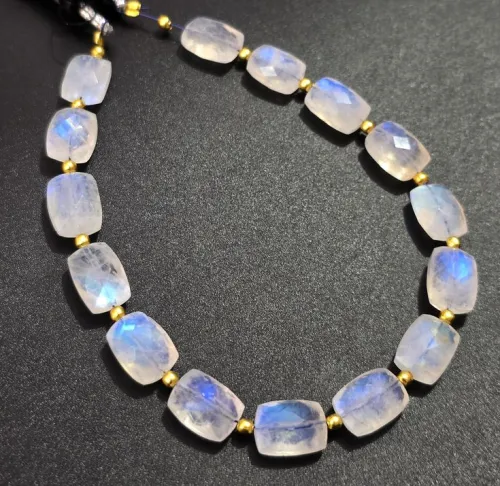
Picture finding yourself in a vintage shop, your fingers hovering over a moonstone pendant whose blue sheen reminds you of Mystic Falls lore. Or perhaps you’re sketching a replica for fan art, puzzling whether the rune placement matches canon references after friends debate its purpose over coffee. When ordinary encounters spark these questions—about curse mechanics, visual authenticity, or its connection to werewolf mythology—you discover there’s no single detail to unpack but layers of history, magic theory, and narrative impact. Below, we’ll navigate everything from its mineral composition parallels to why characters died protecting it, turning that fleeting curiosity into tangible clarity.
Who created the moonstone and why does it hold such immense power?
How might you spot genuine moonstone qualities versus fictional depictions?
What physical traits signal its connection to TVD lore in real-world stones?
Why did Klaus require this artifact for his hybrid transition?
What key storylines changed because of the moonstone’s existence?
How does moonlight alter its appearance and function?
Short answer: Ancient witch Qetsiyah designed this artifact specifically to bind immortality spells, requiring doppelgänger blood to dismantle complex curses like the werewolf curse later linked to Klaus' hybrid transformation ritual. Its power stems from sacrificial magic and enchanted mineral structures.
Deep dive: Picture an heirloom handed down through generations—perhaps tucked inside a velvet jewelry roll—whose origins trace back centuries. Tessa’s creation wasn’t ornamental; she forged it 2,000 years ago as a binding chamber for dark magic tied to immortality.
Just like family heirlooms gain meaning through stories, this object became indispensable for dismantling supernatural hexes because:
Its primary purpose shifted after immortality spells fractured. Writers repurposed it for Klaus' saga, where combining moonstone activation, lunar cycles, and blood could temporarily nullify genetic curses tied to werewolf transformation.
Short answer: Authentic specimens display adularescence—shifting blue light reflections under movement—plus translucency and coolness versus synthetic replicas, traits TVD exaggerates for magical luminance during activation.
Deep dive: Imagine browsing an online marketplace, pausing at an “antique moonstone necklace” listing. Could it mirror Mystic Falls’ artifact? Unlike enchanted objects in fiction, genuine mineral properties offer clues:
While no stone controls werewolves, observing these traits connects fictional significance to geological realities. When designing jewelry inspired by the series, artisans amplify rune carvings or oval shapes, much like Qetsiyah’s original markings intended for symbolic spellwork.
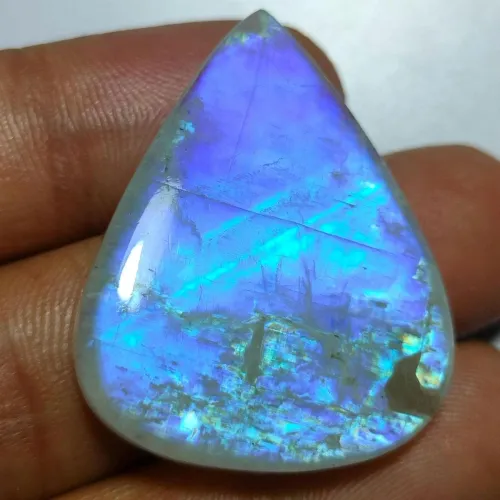
Short answer: The show depicts witch incantations or direct moonlight charging its energy to fracture supernatural barriers like Klaus' hybrid curse when combined with ritual sacrifice—conceptually mirroring how light impacts mineral properties.
Deep dive: A friend of yours once held their grandmother’s moonstone ring up to a window, marveling at how sunlight shifted its glow. That real phenomenon—light interacting with mineral layers to create shimmer—became TVD’s visual shorthand for "charged" versus "dormant" magical states. Writers framed its curse-breaking capacity within three rules:
Lunar dependency: Moonlight amplifies its potency much like direct sun affects a solar-powered device. Without this exposure, shown as a dull gray appearance, witches couldn't harness its capabilities.
Spell conductor: Incantations (like programming code) direct its magic toward precise targets. This clarifies why Klaus recruited witches to unlock its curse-breaking role.
Temporary nullification: Once activated with blood sacrifice, it disrupted magical connections briefly—not unlike rebooting a glitchy system—allowing temporary transitions like werewolf-vampire hybrid creation until magic reasserted its rules.
Short answer: Its appearance combines precise traits: egg-like oval shape, Norse markings deeply etched on one face, milky white base glowing blue when energized yet turning ashen under curses.
Deep dive: Picture sketching this stone for fan art—you scrutinize reference images debating which details matter. Authenticating replicas involves cross-referencing canonical traits:
Form: Uniform oval symmetry absent in fractured natural stones
Symbols: Stylized runic alphabet sequences instead of random scratches
Dual reactions: Bright opalescence under moonlight (activated) versus flat grayness when cursed—a visual cue alerting audiences to functional status shifts
Craftspeople recreating TVD props prioritize precisely angled facets to mimic light reflections shown on screen. Yet genuine geology teaches us that truly flawless stones rarely occur naturally. Modern reproductions may appear "perfect," while authentic minerals carry organic fingerprint-like imperfections.
Short answer: Its power to temporarily bypass supernatural rules—specifically Klaus’ werewolf curse—sparked deadly alliances, betrayals, and tactical moves among factions like hybrids and witches seeking control over transformative magic.
Deep dive: Consider inheriting an heirloom with disputed ownership—suddenly everyone covets its history. Similarly, the moonstone became a plot lever:
Safeguarding alliances: Hybrid factions stockpiled magical objects preventing rivals from dismantling their power structures—explaining repeated hiding/recovery cycles
The double-curse loophole: Klaus exploited its ability to neutralize magic briefly during his transition ritual—leveraging moments of magical vulnerability between phases (much like rebooting electronics mid-glitch)
Sacrifice economy: Blood rituals (including Elena's doppelgänger lineage) became the "price" for access—a recurring theme highlighting magic’s transactional nature within the series
Ultimately, destroying it in Season 3 removed this loophole permanently. Just as family heirlooms lose potency when dismantled, its physical elimination prevented further exploitation—demonstrating how tools alter fate until rendered inactive.
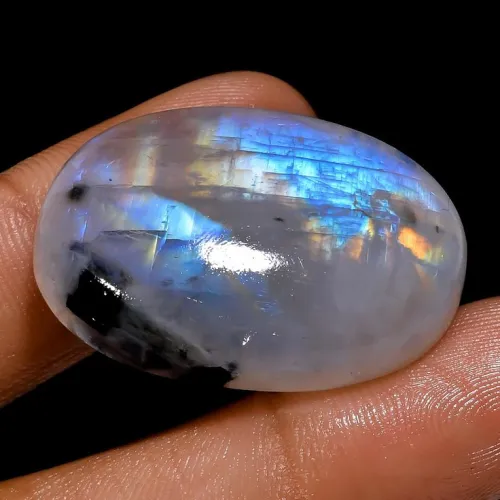
Short answer: Unlike popular theories, the moonstone won’t control werewolves or emit radiation—it’s strictly a curse disabler. Its material basis stems from natural feldspar properties like adularescence which writers infused with magical symbolism.
Deep dive: Over coffee chats debating supernatural rules, misconceptions arise—like assuming it directly commanded werewolves instead of merely negating certain magics. Context matters:
Feldspar versus fantasy: Real moonstones are softer than quartz yet display unique light play writers reinterpreted as active magic signals.
Radiation myths: Unlike uranium-glass antiques, moonstones contain no radioactivity—a fear dispelled through mineralogical studies.
Hybrid limitations: Breaking Klaus' curse required its power coupled with tailored spells—showing artifact dependency on witch magic rather than standalone autonomy.
Creative works sometimes conflate moonstone with selenite (gypsum-based) crystals. But geology matters: authentic specimens align with feldspar properties allowing light diffusion impossible in fibrous selenite.
Imagine unpacking that vintage find under your desk lamp, now equipped with key identifiers. Like noticing how surface marks differ between heirloom engravings versus mass-produced replicas. Remember those pivotal distinctions:
When you encounter moonstone jewelry or replicas again, linger on cut precision near markings. Authentic vintage pieces carry artisan quirks, while contemporary TVD tributes may prioritize canonical rune perfection. Those subtle divergences? They connect centuries of gemcraft with present-day fandom creativity—a story folded into stone.
Q: What episode does Damon find the moonstone?
A: Damon locates it in Season 2, Episode 12 ("The Descent") hidden at the Lockwood cellar after elaborate tactical maneuvers.
Q: How to pronounce moonstone?
A: Phonetically, it's "moon-stohn" (/muːnstoʊn/), referencing the moon’s influence on its appearance.
Q: Difference between moonstone and selenite crystals?
A: Moonstones are opaque feldspars prized for light reflection, while selenites form brittle transparent gypsum crystals lacking that shimmer.
Q: Why does moonstone change color under curses?
A: Writers visualized energy loss through graying effects—a poetic liberty using color shifts to signal active versus dormant states.
Q: Can moonstones harm wearers?
A: Authentic minerals pose no radiation risks. However, untreated stones may contain fractures weakening structural integrity under pressure.


$
