Moonstone is not scientifically proven to attract love; it's primarily a feldspar mineral. However, in spiritual traditions, it symbolizes emotional harmony and can function as a tactile tool for focusing on self-love or relationship intentions. Its perceived effects stem from personal belief rather than empirical evidence, with physical properties like adularescence contributing to its symbolic appeal.
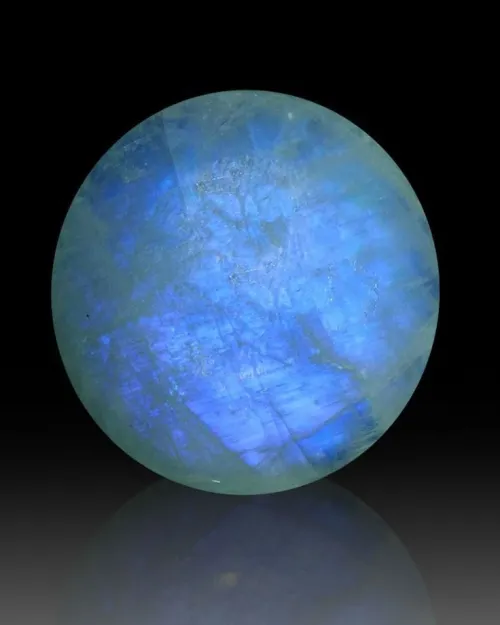
Imagine scrolling through jewelry listings after a rough week, your thumb pausing at a moonstone pendant promising to "attract new love." The soft glow in the product photos seems comforting, but you wonder: could wearing a stone really influence relationships? This moment of curiosity, experienced by many after emotional transitions or when gift-shopping, often leads to questions about moonstone's authentic properties versus marketing claims. Alongside whether moonstone attracts love, you might question how its glow works, why colors vary, how to maintain it, or whether it differs from crystals like rose quartz. We'll walk through these relatable scenarios – from noticing quality gaps in online purchases to hearing friends credit stones for relationships – while unpacking geological realities and symbolic meanings you can verify yourself.
1. What personal stories make people connect moonstone with love?
2. How did historical traditions link this stone to emotions?
3. What observable traits distinguish real moonstone?
4. Can focusing on moonstone intentions shift emotional awareness?
5. Does its hardness make it practical for daily wear?
6. How does self-care ritual differ from attraction claims?
7. Where does moonstone form geologically?
Picture this: After a breakup, you're browsing jewelry sites at 2 AM. A moonstone ring description whispers about "opening heart energy" and "emotional reset." Whether skeptically raising an eyebrow or feeling a spark of hope, this scenario reveals how people often explore moonstone during transitional moments – not because of mystical beliefs, but as tangible anchors for reflection. The stone’s gentle appearance tends to resonate when seeking comfort or intentionality.
Let's unpack what's happening here through two lenses: First, scientifically, moonstone consists of stacked feldspar layers diffracting light into its signature sheen. Second, psychologically, tactile objects can serve as grounding tools during emotional processing. Research on therapeutic rituals shows physical reminders can support mindset shifts. So while moonstone itself doesn't magnetize lovers, it may help center attention on relationship needs. This distinction between physical properties and symbolic practice appears again when comparing shop photos to actual stones – a gap reflecting how lighting manipulates adularescence, that dreamy glow moving across genuine specimens when rotated.
The moonstone-love connection traces to ancient associations between lunar cycles and emotional tides. Roman historian Pliny noted moonstone's appearance shifting with moon phases, linking it to fertility goddess rituals honoring natural rhythms. This historical context shows how celestial ties evolved into emotional harmony metaphors – not attraction superpowers.
Three cultural threads sustained this association: India's Vedic traditions viewed moonstone as solidified moonbeams promoting calming union energy; Art Nouveau jewelers like Lalique used its ethereal glow in romantic motifs; and 1970s New Age practices incorporated it as a "commitment stone." Crucially, ethnographic studies show these were symbolic frameworks focusing on balance rather than guaranteed outcomes. Like lighting candles for ambiance instead of praying for divine favor, this tradition emphasizes personal rituals over mystical forces. Comparing moonstone to rose quartz highlights the nuance – one represents reconciliation energy, the other compassion – both functioning as meditative tools rather than cosmic magnets.
A friend admires your new moonstone bracelet under café lights, gasping when milky white stone emits a sudden blue glide. "That's the adularescence," you explain – not magic, but mineral science. Moonstone's glow emerges from light diffracting between microscopic orthoclase and albite layers, observable only with specific orientations.
When handling potential moonstone, use natural light to notice these attributes:
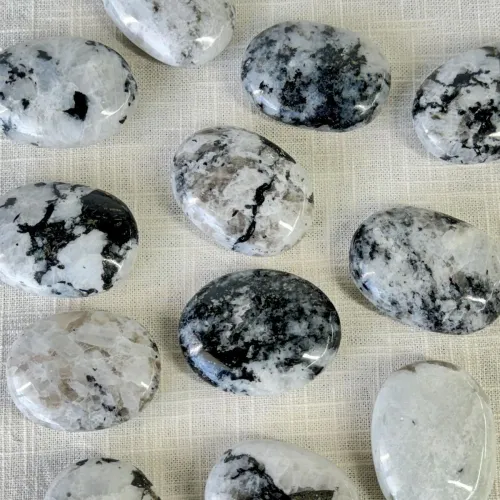
Practical care arises here: With 6-6.5 Mohs hardness (softer than quartz), everyday scratches tell stories of desk bumps or handbag tumbles. This frailty isn't spiritual deficiency but geological reality – cleavage planes make it vulnerable. Protective settings in pendants or earrings minimize risks, unlike rings enduring constant impacts. These tactile experiences ground moonstone's beauty in physical reality.
Sarah wears her grandmother's moonstone brooch to first dates "for calm" not chemistry. "It sparks conversations I might otherwise avoid," she notes, twisting the heirloom when discussing relationship boundaries. This routine exemplifies practical intention-setting: like journaling affirmations or planting memorial flowers, objects can focus emotions.
The distinction between psychological tools and attraction claims matters. Neuroscience research shows ritualistic behaviors may reduce anxiety during vulnerability, potentially improving relational presence. But crediting moonstone for outcomes overlooks your agency in relationship-building. When gift-shopping for a lonely friend, don't frame it as a "love magnet" but as a self-compassion reminder – which research suggests actually supports healthier connections. Match the stone size and jewelry type to lifestyle: large pendants clunk against keyboards; dainty studs offer subtle tactile reassurance during stressful calls. Unlike manifesting rituals promising cosmic results, this approach centers on tangible self-awareness practices.
A barista slips a palm-sized moonstone from her apron when orders pile up. "Breathing with its cool touch stops my frustration spiral," she explains while wiping espresso stains. This non-romantic application hints at the stone's breadth – focusing on emotional presence opens space for clearer decisions about self-worth.
Emotional grounding matters because anxiety clouds choices. A London therapist notes clients using moonstone during difficult conversations: fingering smooth surfaces to pause reactive words. Three specific practices emerge: placing moonstone on computers to catch resentment before email replies, stowing worry stones during commutes for perspective, or holding pieces when processing grief or career confusion. While moonstone won't magically resolve conflicts, structured reflection rituals combined with tactile prompts can disrupt rumination cycles. Just set realistic expectations – one study found participants reporting improved decisional clarity after tactile grounding exercises.
When online promotions promise emotional transformation through moonstone, pause. Consider instead: its value lies in physical reality and ritual possibilities rather than mystical guarantees.
Next time you face scenarios driving moonstone questions – shopping decisions, skepticism about friends' testimonials, or seeking emotional anchors – apply these practical lenses: First, evaluate adularescence mobility under direct light to appreciate its natural wonder rather than buying into vague claims. Second, if gifting, emphasize intentions ("for peace amid new beginnings") over outcome illusions. Third, match jewelry design to movement: dangling rings scratch easily during daily tasks; sleek pendants rest safely near collarbones during challenging days. Imagine you're holding imperfectly formed moonstone from Madagascar pegmatites – geologically unique rather than divinely powerful. What inner truth would you touch it to remember?
Q: Does moonstone need special cleansing like some crystals?
A: Gently wipe with diluted soap and microfiber cloth – its layered structure can weaken under harsh chemicals. Avoid metaphysical "cleansing" claims unsupported by mineral science.
Q: Is moonstone durable enough for engagement rings?
A: With 6-6.5 Mohs hardness and cleavage planes, it may scratch or chip under daily impact. Consider occasional-wear pieces like pendants instead.
Q: Do different colors (blue vs. white) function differently?
A: Color variations reflect mineral impurities, not distinct properties. Blue-white sheens often appear under certain lights due to diffraction, though rarer stones may exhibit stronger effects.
Q: What geological element forms moonstone?
A: Primarily potassium-aluminum silicate in the feldspar group that formed in volcanic rock fissures over millions of years.


$
