Moonstone is traditionally linked to calming effects in crystal healing practices, but scientific evidence supporting sleep improvement is currently absent. Some individuals report psychological comfort or placebo effects when incorporating moonstone into bedtime rituals. Effectiveness varies significantly between people and shouldn't substitute medical sleep solutions.
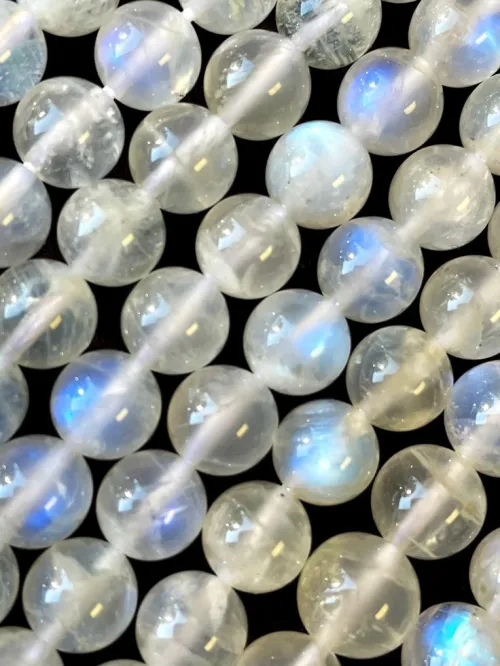
Picture this: After scrolling through dozens of "crystals for sleep" recommendations online, you finally order a moonstone pendant that arrives in minimalist packaging. As you unwrap it, questions flood in—why does it look different online? Can an object really improve rest? Or imagine your friend insisting her moonstone eased nighttime worries, yet yours sits untouched on your nightstand, its soft glow unnoticed during another restless night. Like many exploring natural wellness options, you're caught between hopeful curiosity and practical skepticism. While we'll address the core question directly, you'll likely also wonder about identifying real stones, understanding that rainbow flash effect, and integrating such minerals into modern routines—all questions we'll explore through everyday moments like jewelry shopping or app-assisted meditation.
What does science say about crystals and sleep?
How are people actually using moonstone at bedtime?
Why does moonstone glow like moonlight?
How to recognize authentic moonstone?
What are ethical consideration for sourcing?
Can it complement other relaxation practices?
Moonstone's connection to sleep stems from cultural traditions rather than clinical proof. While mineralogy confirms its unique light properties, sleep studies don't validate specific benefits. Many find psychological comfort through personal rituals or perceived energetic properties.
A friend of yours once described holding her grandmother's moonstone pendant during insomnia episodes—not because she fully believed in crystals, but because the smooth surface and coolness grounded her nighttime anxiety. This tactile experience reflects how traditional associations with lunar cycles (where moonstone got its name) intersect with modern sensory coping strategies. Technically, moonstone belongs to the feldspar family and exhibits adularescence—light scattering through layered mineral structures that creates its signature glow. The hardness rating of 6-6.5 on the Mohs scale means it requires gentle handling during sleep use to avoid scratches or chips. While neuroscience confirms calming rituals before bed can improve sleep onset, research hasn't isolated moonstone's role beyond placebo possibilities.
Users typically place stones near beds, create dedicated meditation corners, or wear moonstone jewelry before sleep. Experiences vary widely—some report subtle relaxation, others notice no difference. Placebo effects may explain perceived benefits in certain cases.
Picture this: You download a popular meditation app suggesting moonstone placement under your pillow—tomorrow's notification will likely claim it 'amplifies dream intuition.' Before diving in, observe ordinary situations. That coworker wearing moonstone earrings during late shifts? She describes tracing their smooth curves during stressful moments—not necessarily sleeping better, but feeling anchored. Or the Instagram-famous 'sleep altar' photos displaying moonstones arranged near beds: those carefully lit setups rarely show midnight chaos when pillows shift precious stones to the floor. Behind hashtagged rituals lie tangible realities: palmed stones during journaling sessions; moonlight trays placed safely away from open windows; jewelry removed before restless tossing might damage delicate settings. While clinical sleep architecture remains unaffected, the deliberate pause to arrange stones can initiate the mental deceleration many seek.
Moonstone's signature glow, adularescence, results from light refracting through microscopic mineral layers—optically mimicking moonlight. This phenomenon physically occurs regardless of metaphysical claims.
Picture yourself tilted in a store window's afternoon light, turning a milky stone until blue-white ripples surface like moonlit waves. That optical magic—adularescence—starts with alternating layers of orthoclase and albite minerals. Sunlight penetrates, bounces between layers, then releases as diffused glow. This happens consistently, unlike spiritual moonlight 'charging' stories. Imagine showing your curious niece how holding moonstone sideways creates moving light bands—a perfect teachable moment about physics versus symbolism. Notice heat reactions play a role too: unlike synthetic alternatives, natural moonstones retain coolness against skin longer due to mineral density—scientifically measurable though often framed as 'cosmic energy transfer.' Remember moonstones form over millennia, sourced mainly from India, Sri Lanka, and Madagascar—geological time capsules on your nightstand.
Quality indicators help distinguish genuine moonstones from synthetic alternatives. Focus on light behavior, temperature response, and surface characteristics during evaluation.
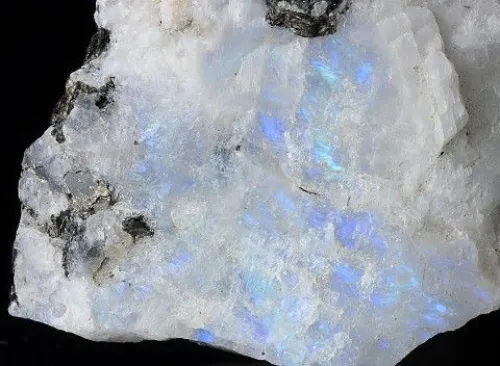
Authentic moonstones display specific visual and tactile traits like directional light play and natural imperfections. Transparency in sourcing helps avoid mislabeled products while supporting ethical mining practices.
You're browsing a busy crystal market when two 'moonstones' confuse you—one flashes rainbows dramatically, another glows softly blue. Which is real? Both might be genuine, representing rainbow moonstone (which is actually labradorite) versus traditional pearly white varieties—sellers often blend trade names confusingly. Compare it to assessing produce freshness: market-smart buyers learn to check for hairline cracks affecting durability or dyed stones whose color rubs off on tissue. Picture that questionable online shop showing 'mining shots' that could be stock footage—trustworthy dealers detail regional origins like Sri-Lankan vs. Indian material. When holding potential purchases, recall tactile signals: uneven polish marks rushed production, while consistent smoothness suggests intentional craftsmanship. Ethical considerations matter too—small vendors offering mine-to-market histories align better with sustainable values than mass suppliers ignoring environmental impacts.
If incorporating moonstone into routines, prioritize safety and personal experimentation over magical outcomes. Document experiences neutrally and consider complementary practices like journaling or breathwork.
Imagine placing a palm-sized tumbled stone by your alarm clock—not crammed under lumpy pillows risking morning cracks. Smart integration minimizes disappointments: water exposure matters for jewelry adhesives you'd hate loosening overnight, while 'moon charging' becomes safer using indirect windowsills instead of storm-prone balconies. Notice successful users often frame moonstones as gentle ritual triggers rather than cure-alls. Rotate stones weekly to compare how different minerals subjectively calm—perhaps combining with textured fabrics or soothing sounds. For the gifted pendant gathering dust? Slip it on during evening teas rather than expecting overnight miracles. And those gorgeous 'sleep altar' Instagram photos? Skip flammable candles—opt for stable trays holding multiple stones you actually touch rather than photograph.
Beyond bedtime placement, some find moonstone helpful for transitional moments requiring emotional grounding. As wearable pieces, they may serve tactile reminders during commutes or virtual meetings.
A friend of yours once threaded moonstone beads onto her work lanyard—pausing to finger them during stressful calls as sensory anchors. This illustrates adaptable applications: pocket stones during travel, desk objects before deadline crunches, or meditation-hold companions matching app-guided breathing sessions. Picture discreet shapes—small worry stones for thumb-rubbing beneath conference tables or rings rotating during anxious waits. Unlike dedicated evening placements, daytime uses leverage tactile signaling—the cool weight in your palm reminds you to exhale deeply before reacting. Such moments avoid mystical claims while realistically borrowing stone qualities: smooth surfaces for tactile focus, temperature shifts signaling present-moment awareness, and visual beauty briefly lifting moods. Effectiveness remains personal and situational—not universal solutions.
Notice three things next time you encounter moonstone: subtle temperature shifts in your palm, how light dances when angled deliberately, and the tactile comfort of polished surfaces. Keep expectations realistic, sourcing transparent, and experiences documented neutrally.
Return to that unwrapped moonstone pendant sitting on your coffee table. If adopting it into your nightly wind-down, observe the weight warming in your hand rather than expecting instant sleep miracles. Track patterns: Does touching it coincide with marginally calmer evenings? Does the blue flash seem brighter on anxious days? By focusing on verifiable signals—not unseen forces—you reclaim agency. Imagine documenting simple observations for four weeks: "Tuesday—held during evening news, felt less shoulder tension." Practical shifts might emerge: choosing wind chimes over breakable displays, questioning a seller's vague "Himalayan" claims, or noticing synthetic alternatives actually work better psychologically. Your journey becomes about intentional awareness—neither dismissing others' experiences nor expecting impossible outcomes. When navigating wellness shops tomorrow, you'll know which details truly matter.
Q: What exactly causes moonstone's rainbow effect?
A: Called adularescence (ah-doo-lar-ESS-ense), it's light refracting through microscopic feldspar layers—an optical phenomenon creating moon-like glow regardless of metaphysical interpretations.
Q: Why sleep with it under pillows specifically?
A: This tradition links to lunar associations and proximity during sleep, though stones placed nearby or worn as jewelry may provide similar tactile comfort without damage risks from tossing movements.
Q: Can it help anxiety if sleep benefits seem absent?
A: Some find brief tactile focus—like thumbing a smooth stone during stressful moments—creates mindful pauses that may temporarily ease anxiety, unrelated to the mineral's composition.
Q: How to tell real moonstone from opalite glass?
A: Genuine stones display directional light play (adularescence) when tilted and feel denser/cooler; opalite shows consistent rainbow flashes from any angle and feels warm/lightweight.
Q: Better options than moonstone for emotional calm?
A: Labradorite offers similar light effects, while stones like amethyst or lepidolite have distinct mineral profiles—personal experimentation helps determine what resonates subjectively.


$
