Moonstone forms through geological processes where magma cools slowly beneath the Earth's surface, allowing layered minerals to crystallize into stacked sheets. This unique structure creates its signature glow called adularescence through light refraction between albite and orthoclase layers. Natural moonstone develops exclusively in igneous rocks over millions of years.
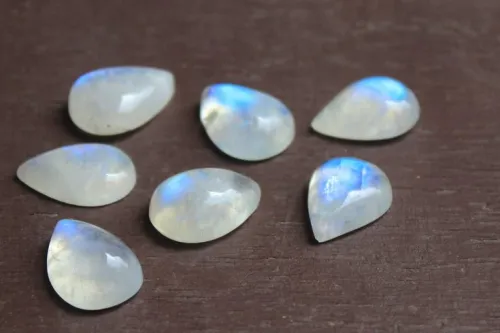
Picture browsing an online marketplace and spotting a moonstone ring with ethereal blue shimmer - its glow seems almost unreal through the screen. Or recall comparing jewelry at a store: one moonstone bursts with inner light, another appears lifeless. These everyday moments spark questions: How does this magic happen naturally? Why do pieces look so different? Whether you're examining inherited stones at Grandma's dresser or listening to a vendor's claims at a gem fair, you're not just wondering about formation. You're seeking keys to authenticity, care nuances hidden behind the glow, and why some moonstones command higher value. We'll decode those puzzles while tracing moonstone's journey from volcanic fire to refined beauty.
1. What natural forces create moonstone's signature glow?
2. How does real-world exploration reveal geological secrets?
3. Why do some moonstones appear vibrant while others look dull?
4. What practical wisdom makes moonstone ownership rewarding?
5. How does geographical origin shape appearance and value?
6. Which care approaches ensure its milky light endures?
That captivating glow - adularescence - emerges when light scatters between microscopic mineral layers during formation. Unlike surface reflections, this inner radiance seems to float beneath the stone like moonlight on water.
Imagine unboxing a pendant shipped from overseas. As sunlight hits the cabochon, a faint blue wave glides across its surface when you tilt it. This optical dance points to mineral interplay deep within the earth. Moonstone forms when magma cools slowly under pressure, allowing alternating feldspar minerals (albite and orthoclase) to arrange in parallel sheets. Light entering this layered structure refracts at varied angles, creating a ghostly shimmer. The thickness and alignment of these mineral sheets determine whether you'll see a strong blue flash or weak white sheen - and whether that digital marketplace image matches reality when it lands on your doorstep.
Moonstones materialize through a multi-million-year process where heat, pressure, and timing converge. The adventure begins 3-5 miles underground where mineral-rich magma cools at a glacial pace.
A friend of yours once joined a gem-hunting expedition in Sri Lanka. As you watched their documentary, you saw miners chiseling through pegmatite rocks - coarse-grained veins formed by the slowest-cooling magma. Inside these geological time capsules, mineral crystals had decades to arrange themselves in precise stacks. The most prized moonstones often formed near pocket voids where uninterrupted crystal growth occurred. This highlights why conditions matter more than location alone: slight cooling variations might yield rainbow flashes in India or translucent blues from Madagascar, all governed by natural rhythm beneath our feet.
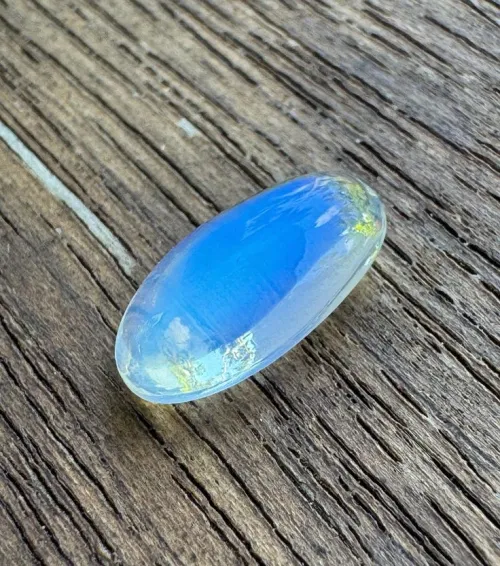
Visual differences start at the compositional level but become visible through trained observation. Key quality indicators include adularescence intensity, color consistency, and cut precision.
When comparing stones under jewelry store lights, remember three core evaluation techniques. Bring these insights to your next gem-fair visit or heirloom examination session:
Preserving moonstone's delicate beauty requires understanding its physical vulnerabilities while recognizing genuine characteristics. Proper handling can maintain its glow across generations.
Picture this: after inheriting your aunt's brooch, you notice scratches dimming its once-vivid sheen. Rather than attempting DIY polishing, you learn moonstone's moderate hardness (6-6.5 Mohs) exposes it to abrasions. Professional repolishing every few years revives surfaces without risking damage along cleavage planes. Storing it separately prevents diamond or sapphire jewelry from chipping it - that velvet pouch your grandmother sewed serves better than the communal jewelry box. When buying new pieces, natural inclusions like needle-like rutiles can serve as authenticity clues rather than flaws - they're nature's fingerprints proving your stone formed underground, not in a lab reactor.
Regional geology influences color palettes, transparency, and market value - though optimal conditions may occur anywhere. Source location becomes one factor among many quality considerations.
Visiting a gem fair recently, a vendor emphasized their "premium Sri Lankan moonstones" yet you noticed inconsistent hues in their collection. Mineral composition variations matter more than country labels: Indian stones often show silky blue adularescence due to thin mineral layers, while Madagascar produces distinctive peach and green varieties with warmer glows. Though top-tier pieces command higher value based on color clarity and sheen intensity rather than geography alone. Authentic rainbow moonstone usually originates from India too - though technically labradorite rather than true moonstone, its play-of-light stems from similar structural principles.
Protect against chemical erosion, physical shocks, and surface degradation for lasting radiance. Practical rituals preserve both structural integrity and sentimental connection.
Consider your daily routine after acquiring a cherished ring: spraying perfume? The stone may develop surface haze from alcohol and fragrances over months. Applying sunscreen? Some UV filters could cause microfractures in the mineral lattice. Instead, wearing moonstone jewelry after makeup/skincare application and cleaning it monthly with gentle water rinses maintains its magic. For inherited jewelry with visible trauma like impact cracks, professional epoxy stabilization can often reinforce without altering appearance. Your great-grandmother's pendant survives not because it was rare, but because someone consistently wiped it with a soft cloth after wear - an act of love repeated over decades.
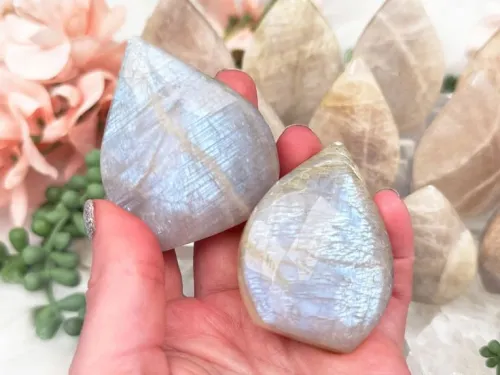
Moonstone whispers stories of geological patience through its fleeting glow. This tangible connection deserves thoughtful awareness.
If this was inherited pendant in your jewelry box, you'd examine its inner glow with newfound context - recognizing how cooling magma created mineral layers over millennia. Should shopping online, that ethereal photo could meet reality when rotating the stone against light to evaluate adularescence depth. And when cleaning vintage jewelry, those microfractures become narratives of survival rather than flaws. Earth created these treasures slowly; we protect them through informed daily choices. What will you notice differently next time?
Q: Where does the highest quality moonstone originate?
A: While India and Sri Lanka produce widely traded moonstone, premium quality depends on mineral composition and cut craftsmanship. Stones from any source may display excellent adularescence when conditions align during formation.
Q: Why is genuine moonstone typically cut as cabochons?
A: The smooth dome shape maximises light interaction between mineral layers. Faceting tends to disrupt adularescence visibility, limiting the signature floating-light effect.
Q: Can moonstones develop cracks after purchase?
A: Potential cleavage planes in its structure may cause stress fractures if subjected to impact or temperature shocks. Professional jeweler evaluation can help minimize risks.


$
