Moonstone rings typically cost between $20 to over $1000. Entry-level synthetic stones in silver settings start around $20-$50, while natural gemstones in gold range from $100-$300. High-end natural specimens with exceptional adularescence can exceed $1000 based on quality and craftsmanship.
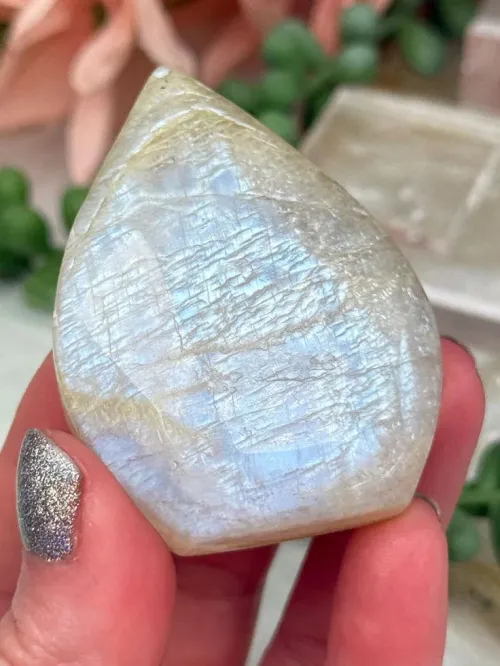
Picture yourself discovering a moonstone ring in your grandmother's jewelry box, wondering if its milky glow holds monetary value or just sentimental worth. Or imagine searching online after seeing one glow at a wedding, only to find prices ranging from $25 to $500 for seemingly identical pieces. These moments spark more than curiosity—they reveal why pricing looks like a mystery: adularescence brilliance, origin differences, and hidden craftsmanship layers all play roles beyond the eye. When your best friend's bargain ring cracks while your investment piece endures daily wear, you realize moonstone pricing isn't random—it's a language of geology meeting goldsmithing we're about to translate together through jewelry shop counters, ring boxes, and coffee-table conversations.
1. What price ranges should you expect at different quality levels?
2. How do real-life shopping scenarios impact pricing decisions?
3. What invisible factors create those drastic price gaps?
4. How can you spot quality differences just by looking?
5. What tactics protect your budget without sacrificing beauty?
6. Which durability myths could cost you money long-term?
The $20-$1000+ moonstone spectrum reflects material authenticity and craftsmanship. Synthetic stones in machine-made silver bands anchor the low end ($20-$50), while ethically sourced natural gems in handcrafted gold settings occupy the $100-$300 sweet spot for daily-wear pieces. Premium tier rings featuring collector-grade specimens with electric-blue adularescence or designer signatures start at $500.
Three friends comparing purchases discovered this firsthand: Jessica's $35 synthetic lasted weeks, Alex's $280 natural ring survived three years of office wear, and Taylor's heirloom $900 museum-quality piece still glows after decades. The Mohs hardness scale explains part of this—at 6-6.5 hardness, moonstone requires protective bezel settings that add labor costs. Gold or platinum settings increase material expenses by 200-400% over silver, while cabochon cuts that maximize lightplay demand expert cutting time. Southern Indian blue-sheen stones often carry a 20-30% premium over similar-grade African specimens too. Like choosing between a quartz watch and a mechanical chronograph, your price tier determines both beauty and longevity.
Shopping contexts radically influence perceived value and actual pricing pressures. Impulse buyers facing vast online price ranges often overpay for low-quality stones, while vintage hunters may undervalue exceptional heirlooms. Conscious buyers who compare materials and origins typically land at mid-range prices that balance cost and durability.
A friend of yours once bought a $75 moonstone ring during a beach vacation because it "glowed like the tide"—only to discover identical synthetics online for $25. This price-discrepancy shock is common when photos can't reveal adularescence strength. Meanwhile, someone inheriting Grandma's ring might assume its worth is purely sentimental, despite its potential $500+ valuation from Sri Lankan rainbow moonstone. When Sarah compared her $280 daily-wear ring to Emma's brittle $35 fashion piece during book club, they noticed their stones reacted differently to lamplight—one showed shifting blue bands like moving water, the other had a static white haze. That lightplay difference accounts for nearly 70% of natural moonstone's value range.
The core drivers are adularescence quality, origin verification, and structural craftsmanship. Natural blue sheen from India commands premiums, while precise artisan settings preventing stone chipping add 25-50% to production costs. Synthetic options save money but lack natural diffraction patterns.
Imagine receiving two ring boxes: one contains a $140 ring with certified Indian moonstone with dancing blue light, the other a $60 piece with uniform synthetic glow. Their price gap lives in subsurface geology—natural adularescence occurs through light diffraction between microscopic feldspar layers, a phenomenon rare in lab-created stones. Jewelers pay up to 10x more for "floating light" specimens showing omnidirectional sheen rather than single-direction glow. Protective settings matter too: a semi-bezel setting adding $85 to production costs can extend a ring's lifespan by years, while thin prongs on soft stones often lead to $150 replacement fees. These hidden value mechanics transform "pretty stones" into lasting investments.
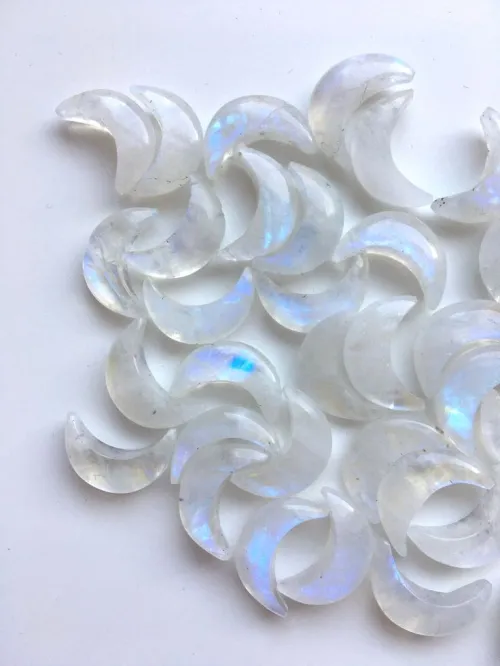
Observe adularescence movement, sheen persistence, and setting security. High-value specimens maintain blue glow across light conditions, rotate light bands smoothly, and have snug stone settings showing fine-craft details.
Jewelers recommend these verification steps:
When Mia compared her premium ring to a discount store piece using these methods, the differences jumped out: the budget ring had a static milky layer and lukewarm surface that warmed quickly against her skin. Meanwhile, her collector piece maintained coolness for 15+ seconds and showed different light patterns in sunlight versus lamplight—hallmarks of dense feldspar layers formed over geologic timeframes rather than lab tanks.
Match settings to your lifestyle demands, verify certificates before paying premiums, and use online shopping safeguards. Prioritize bezel settings if you're active, request video light-tests for online purchases, and always confirm return policies when betting on blue sheen.
A college student wanting moonstone aesthetics for weekend wear might choose $40 synthetic in sterling silver—avoiding both fragile prongs and cleaning anxieties. Meanwhile, someone needing wedding-band durability could invest $220 in a solid 14k gold band with natural stone and protective bezel. When browsing online listings requesting "premium prices", ask sellers to shoot 15-second phone videos under LED flashlights to check sheen quality before committing. Ben learned this after receiving a cloudier-than-expected $185 ring—luckily saved by checking the seller's return policy first. Another tactic: recoil-plated silver costs 20% less than solid silver but still looks premium when maintained monthly with anti-tarnish strips, stretching your budget without sacrificing sparkle.
Common misconceptions include "water won't affect moonstone", "hardness doesn't matter", and "all rings clean the same". Natural stones risk damage from both impacts and improper cleaning methods despite water resistance.
Think about Sara's heartbreak when her $150 ring's stone cracked in an ultrasonic cleaner—a device generating vibrations that disrupt moonstone's layered anatomy. While moonstones withstand swimming and bathing, their 6-6.5 hardness makes them vulnerable to knocks against quartz counters or diamond rings. That "delicate beauty" reputation? It's why protective settings add 15-35% upfront costs but prevent replacement fees. Another myth: synthetics offer equal durability. They actually show more uniform surfaces but often crack similarly under pressure because they copy natural weaknesses. Truth lies in balance—$110-$230 rings in protective settings typically deliver both glow and resilience.
Three decision-points matter most: protection over style for daily-wear rings, verifying adularescence before premium purchases, and storing moonstone separately from harder gems. Next jewelry shop visit, glance at settings first—does the stone sit flush? Spin any ring under light—does the glow seem alive? Finally, notice any price variations between Indian and Sri Lankan certificates while remembering "blue sheen" isn't marketing poetry but the light diffraction that justifies careful investment.
Can moonstone be worn daily?
Yes with protective bezel settings due to 6-6.5 Mohs hardness, but avoid impacts with quartz or diamonds.
Why do some moonstones appear rainbow-colored?
Thinner feldspar layers diffract broader light spectrums, mostly in Sri Lankan specimens at $40-$90 premiums.
Which settings protect moonstone best?
Full bezel or semi-bezel settings prevent chipping far better than prong designs and may extend ring life by years.
Does showering damage moonstone?
No, but harsh soaps may dull surfaces over time; gentle rinsing and microfiber drying maintains integrity.


$
