To safely carve a hole in moonstone, use a diamond-tipped drill bit at low speed with consistent but gentle pressure, and apply water or oil as coolant to prevent overheating and cracking. Start with a small pilot hole to guide the process while keeping the stone securely clamped to avoid slippage. The mineral's 6/10 Mohs hardness demands specialized handling to preserve its signature adularescence.
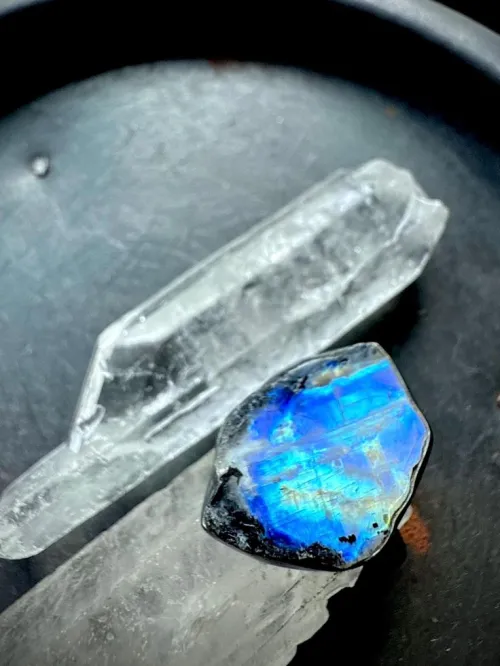
Picture yourself unpacking a raw moonstone bead gifted for birthday jewelry-making. You notice the supplier omitted the pre-drilled hole, halting your sentimental pendant project right as excitement peaks. Or imagine browsing an online marketplace – clicking through glittering moonstone pendants sparks creative inspiration until "high fragility" warnings make you hesitate. These everyday frustrations around drilling reveal deeper curiosities: Why do some stones crack while others drill cleanly? How do professionals maintain that elusive blue glow during work? Whether assessing a discounted stone’s drill-worthiness or comparing uneven holes at gem shows, this guide walks through core techniques while answering hidden questions about material quirks and visual warning signs.
1. What core equipment and settings prevent cracking?
2. How do real-life drilling attempts unfold?
3. Why does moonstone structure require step-specific drilling?
4. What visual signs distinguish success from damage?
5. When should I avoid drilling certain moonstones?
6. How does hole carving affect moonstone’s shine?
7. What alternatives exist if DIY drilling fails?
Secure the moonstone with non-abrasive clamps, position a diamond-tipped bit perpendicular to its surface, and start at under 500 RPM with water lubrication - pausing every 5-10 seconds to reapply coolant. Begin with a shallow pilot hole before widening it gradually using feather-light pressure. This combats fractures from three angles: reducing heat shock through continuous cooling, controlling structural stress via incremental drilling, and preventing slippage with firm stabilization.
A friend received an undrilled Sri Lankan moonstone but ignored the pilot-hole step, jumping straight to a 2mm bit. The stone fractured midway because internal stress points weren't navigated incrementally. Moonstone forms in igneous rock layers with varying densities – its 6/10 Mohs rating hides unpredictable weak zones. Diamond bits work best because their abrasiveness matches the gem’s composition while minimizing chatter risks at low speeds. Maintaining gentle pressure lets the bit shear through layers rather than pulverizing them, preserving structural integrity. You might notice an audible shift – smooth drilling produces soft hissing while squeaking signals dangerous friction.
Moonstone drilling failures typically stem from underestimated fragility, inadequate tools, or overlooked stress points. Imagine buying a "work-friendly" discounted stone that cracks during your first attempt – causing frustration about misleading descriptions. Envision examining irregular holes at a gem fair that shake confidence in your techniques. Both situations reveal shared stumbling points where surface appearance conflicts with hidden material realities.
Take Julia’s experience: She inherited a milky moonstone needing bead re-stringing but skipped clamp stabilization. The stone jerked sideways under drilling pressure, chipping its rim. This emphasizes how adularescence – the stone's light-scattering blue sheen – hides structural flaws that dictate drilling pathways. Budget constraints often lead beginners to use non-diamond bits, but moonstone's feldspar minerals quickly dull standard bits causing friction heat. When vibrations travel through layers, included fractures widen into visible damage under stress. Successful DIYers frequently share how they practiced on synthetic stones first to calibrate pressure sensitivity before touching precious pieces.
Drilling moonstone requires managing thermal expansion, directional pressures, and mineral abrasion – all influenced by subsurface patterns. While color variations (white to green) don’t affect technique, internal flaws like cleavage planes dictate entry angles and rotation speeds. The drilling process must balance mechanical force against the gem’s tendency to shear along crystalline boundaries where sudden stress causes fissures.
Imagine slicing chilled butter with a hot knife – that contrast mirrors diamond-bit-coolant interaction. When friction generates heat, rapid cooling prevents micro-fractures that start at 70°C+ (158°F+). Starting with a pilot hole smaller than the target width reduces lateral stress by giving expanding debris escape channels. A drill press’s vertical stability also minimizes accidental side-pressure compared to handheld tools. Note: Pale Sri Lankan stones typically handle longer continuous drilling than dense Indian types thanks to their formation history. Apply oil lubricants slightly slower than water – their viscosity requires gradual buildup during operation. During this stage, watch debris consistency: Flour-like powder suggests correct technique while coarse granules mean you should reduce pressure immediately.
Your drilled moonstone reveals procedure accuracy through physical markers detectable post-process. Unlike synthetic stones, authentic moonstone always exposes processing flaws along natural layer lines.
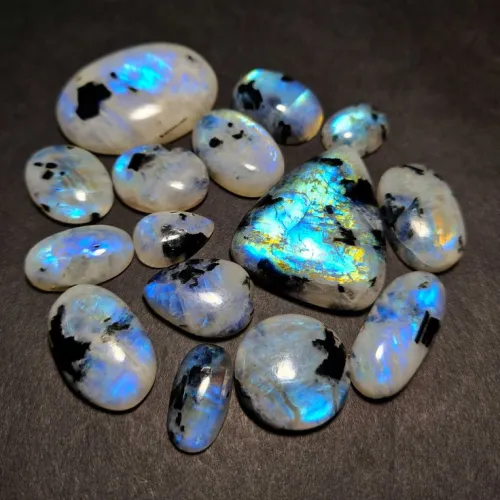
Picture a stone with hairline cracks radiating from its hole edge – found using 10x magnification under bright light. This micro-fracturing signals excessive downwards pressure without intermediary pauses for cooling. Or recall seeing milky halos around the holes on cheaper pendants? Those emerge when technicians rushed high-volume production without coolant reapplication. Another silent clue exists in sound: Smooth drilling emits low hums while harsh grinding noises accompany bit slippage on fragile surfaces. You might also notice changing adularescence mid-job – the blue sheen disappearing where localized heat built up beyond 20 seconds. Debris accumulation provides the final clue: Abundant slurry means healthy lubrication while dust explosions indicate dangerous friction. To audit results, test light transmission. Hold your moonstone against a phone torch – cloudiness confirms overheating while undisturbed shimmer proves gentle methods protected internal structures.
Assess your moonstone’s suitability by inspecting inclusions under magnification, testing hardness differences with quartz, and prioritizing stones without parallel cleavage lines. Transparent sections require reduced force since light zones often coincide with delicate layer formations prone to shearing. Dark inclusions serve as natural fracture points – avoid stones with clustered spots or web-like patterns unless experienced.
A craft fair vendor once sold discounted stones labeled "beginner-friendly." Buyers later found micro-fractures webbing the interior that crumbled at first drilling contact. This highlights why inclusions demand expert assessment. Green moonstones from Tanzania prove challenging since their denser structure concentrates drill pressure unexpectedly compared to pale varieties. If your stone shows thickness variations, drill thin sections last - their reduced mass heats faster risking cracks. When in doubt, practice on scrap pieces first to calibrate pressure sensitivity. If time constraints exist, consider alternatives like wire-wrapping un-drilled stones - especially for sentimental pieces where structural risks outweigh DIY ambitions.
You can carve holes without power tools but expect hours focused on incremental hand-drilling with diamond-coated pins – viable for pendant stones but impractical for beads needing dual holes. Drilling typically takes 3-8 minutes per stone depending on thickness; rushing often causes thermal fractures around minute 5 when heat peaks. Specialized tools are available through lapidary suppliers – prioritize vendors offering cooling systems. Authentic moonstone always shows adularescence when rotated under light – fakes remain optically flat during this test. Drilling might locally reduce sheen near holes if overheated but cooling prevents permanent loss. If drilling fails, explore adhesive pendant bails or professional laser piercing.
Successful moonstone drilling centers on recognizing friction cues and prioritizing patient progress over speed. Remember: Persistent chirping sounds and accelerated coolant evaporation demand immediate pauses. When handling sentimental stones or valuable inclusions, opt for wrapping rather than risky drilling. Always source non-included stones with even body color for DIY projects - pale blues typically drill cleaner than multicolored specimens. Start small: Test settings on synthetic alternatives to calibrate pressure sensitivity that carries to finer gemstones. After drilling, gently brush interiors before stringing - debris remnants compromise structural integrity during jewelry mounting.
Q: Will drilling affect moonstone’s value?
A: Professionally drilled holes minimally impact value if edges remain clean and adularescence is preserved, but improper technique chips surfaces and creates cracks that reduce worth.
Q: Why use diamond bits versus carbide?
A: Moonstone’s feldspar minerals quickly dull carbide bits requiring dangerous pressure, while diamond coatings maintain cutting efficiency at gentle settings protecting brittle layers.
Q: Can cracked moonstones be stabilized?
A: Hairline cracks near holes may accept specialized gem cement, but extensively fractured stones tend to separate during wear – replace when structural integrity is uncertain.
Q: How thick can moonstone be drilled?
A: 3-8mm thickness range is optimal; stones beyond 10mm demand industrial equipment due to pressure variances across extended drilling depths.


$
