Moonstone is primarily available from specialized gemstone retailers, reputable online platforms like Etsy, and mineral-focused stores such as The Gem Trader. Physical purchasing options include gem fairs, artisan markets in major cities, and mining regions like Sri Lanka or India, with authenticated sellers being the most reliable source to ensure quality.
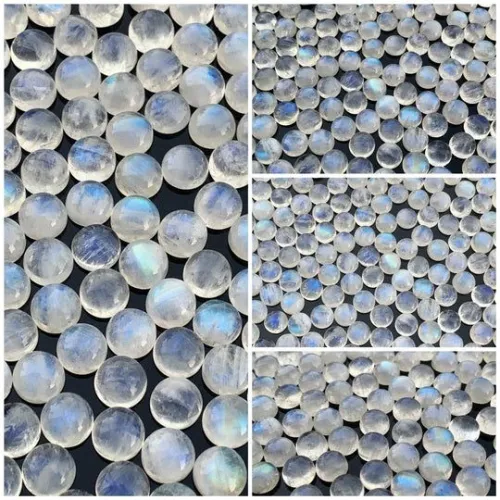
Picture this: After scrolling through social media, you spot a moonstone ring with that distinctive blue glow. Excitedly, you search online only to drown in contradictory reviews about authenticity. Or perhaps you inherited your grandmother’s weathered moonstone pendant, but local jewelers can't source anything similar. These everyday moments spark urgent questions—not just where to buy it, but how to recognize the real deal and what factors affect its value. Alongside "Where can I buy moonstone?", you'll likely wonder about its unique glow mechanisms, spotting quality differences, fair pricing, and long-term care—all woven into the stories ahead.
1. Where to find moonstone through trusted offline and online channels
2. How typical buyers discover and evaluate moonstone authenticity
3. The science behind moonstone's signature glow effect
4. Distinguishing natural visual markers from imitation flaws
5. Developing an effective sourcing and verification approach
6. Caring for moonstone based on its structural properties
Authentic moonstone surfaces in specialized environments—gem-focused online marketplaces (like curated Etsy collections), boutique mineral stores, and pop-up gem fairs in metro areas where vendors undergo screening. Physical hubs emerge near major deposits: Colombo's gem districts in Sri Lanka or Jaipur's lapidary workshops offer direct sourcing with geological certifications, minimizing counterfeiting.
Imagine walking through a sunlit gem fair in New York. One booth displays milky stones labeled "Indian moonstone"—seller paperwork shows mining origin certificates. This mirrors verified sourcing principles: Regional proximity to deposits (India’s Rajasthan mines), paired with lab documentation, raises trustworthiness. Technical note: Sri Lankan stones tend to show stronger blue adularescence due to orthoclase feldspar composition, while Indian pieces frequently exhibit peach undertones. Always verify miner-to-market traceability even in physical venues; unregulated artisan stalls may unintentionally source synthetics.
People typically encounter moonstone either through personal connections (like heirlooms) or digital inspiration, often confronting skepticism about quality claims. Modern purchases involve balancing emotional pulls and practical verification.
A friend of yours once brought back a "premium moonstone" pendant from a beach vendor abroad. The foggy blue sheen seemed magical—until noticing identical pieces online at 1/10th the price. This mirrors tourism-centered dilemmas: Opportunistic sellers may mislabel low-grade feldspar or opalite glass as natural moonstone. Behind that moment? Check if the seller clarifies mineral composition and heat treatment history. Natural moonstone has wispy inclusions you might notice under magnification, while synthetics like opalite appear flawless. When inherited pieces spark curiosity, examine subtle adularescence movement—a flowing glow indicates natural structure, whereas static shine suggests imitation.
Moonstone's glow stems from light diffraction within stacked mineral layers, called adularescence—not spiritual energy. Distinct blue-to-white reflections result from internal crystal structures refracting light wavelengths differently.
Picture this scenario: You tilt a cabochon-cut stone under a lamp, watching light glide across like moonlight on water. This visual poetry has crystallographic roots: Alternating albite and orthoclase feldspar sheets scatter light between microscopic layers. Thinner layers generate blue flashes; thicker ones create milky whitish haze. Key validation point? Authentic glow requires multidirectional play—if the shimmer remains static, it’s likely synthetic. Lab-created equivalents like synthetic opal lack these parallel mineral arrangements, explaining their duller optical effects. Observing directional glow changes under dim light offers instant natural-origin clues.
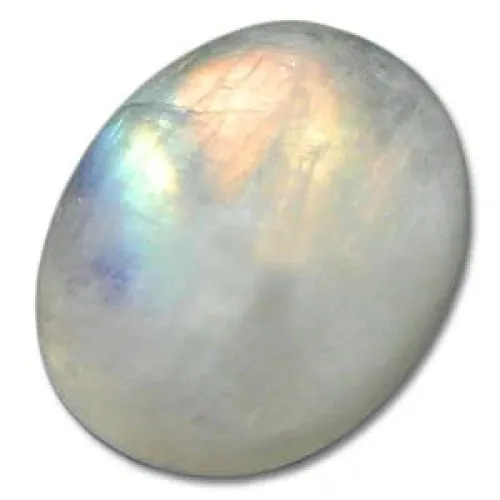
Authentic moonstone reveals its identity through imperfect patterns—subtle inclusions and temperature responses that synthetics can't replicate consistently. These observable traits form your verification toolkit.
Notice these physical attributes when examining stones across marketplaces or jewelry displays:
Systematically prioritize certification-backed sellers using field-tested techniques like UV response checks or origin transparency requests. Cross-validate claims with practical mineral knowledge to sidestep inflated or fraudulent listings.
Consider comparing two online shops: Both show similar cabochon rings, but only one includes Sri Lankan geological certificates. This mirrors how supply-chain awareness reduces risks—for example, Indian wholesalers may offer fair prices if export documentation exists. Tactical steps: Request UV test visuals where genuine moonstone fluoresces pale blue; heated stones lose this trait. Similarly, ethical mining certifications (available on platforms like Made-In-India) address sustainability without mystical terminology. When weighing values, note that carat sizes beyond 15-20 are uncommon—oversized stone claims warrant third-party verification before investment.
With a Mohs hardness of 6-6.5, moonstone requires cautious handling to prevent abrasion or impacts. Its layered structure makes ultrasonic cleaners or chemical baths potentially damaging—gentle wiping suffices.
Imagine wearing a moonstone pendant weekly: After three months, you spot minor surface scratches from diamond neighboring in your jewelry box. This demonstrates material limits—moonstone’s feldspar composition renders it softer than quartz or corundum gemstones. Technical insight: Storage in separate padded compartments prevents pressure fractures. For frequent wearers, smaller 1–5 carat stones withstand daily use better structurally. When cleaning, lukewarm water with a soft cloth avoids disrupting natural diffusion patterns. Historical auction records suggest well-maintained pieces retain value, especially those preserving adularescence intensity without heat treatments.
Next time you encounter moonstone—whether in a local shop or Instagram ad—pause and recall three physical verifiers: glow movement during light tilting, cool-to-touch mineral density, and origin documentation gaps. Ask yourself: If this were my grandmother’s inheritance stone or a sought-after purchase, which quality cues would demand scrutiny before committing?
Does moonstone make practical daily jewelry?
While possible with care, moonstone’s moderate hardness can lead to scratching during vigorous activities. Smaller carat settings tend to resist impact better.
How does pricing vary?
Prices fluctuate based on adularescence strength—intense blue sheen typically costs more. Bodycolor also influences value; blue-white stones command premium over gray or green hues.
Where does mining occur?
Primary regions include Sri Lanka and Southern India, where pegmatite formations yield high-adularescence stones, though Australia and Madagascar also produce varieties.
Why the feldspar connection?
Moonstone belongs to the feldspar mineral group, characterized by silica-aluminum structures—its signature glow originates from these layered formations rather than external coatings.


$
