Moonstone is primarily found in countries like Sri Lanka, India, Madagascar, and Brazil, along with locations such as Virginia in the USA. This gem naturally occurs in igneous rocks and pegmatites, often sourced from alluvial deposits washed into riverbeds or commercial mines globally.
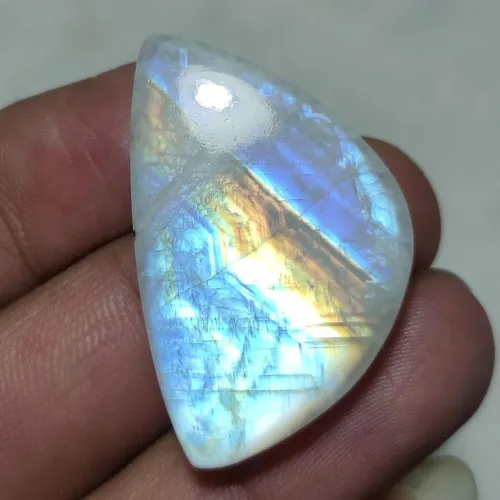
Picture unwrapping a birthday gift to discover a pendant with a pearly stone shimmering with blue light—labeled "moonstone." As you admire its ethereal glow, questions surface: Where was this formed? Why does this stone glow differently than others? Perhaps you’ve spotted similar pebbles during a hike or hesitated between moonstone options while jewelry shopping, noticing variations in color and sheen. Beyond "where it's found," you might wonder how geography affects its appearance, whether you can identify origins, or what to notice when handling these gems. We’ll walk through both the stories and science behind moonstone sources.
1. How do real discoveries of moonstones happen in everyday situations?
2. How does moonstone form geologically?
3. What visible traits indicate a moonstone's origin?
4. How to practically evaluate quality based on location markers?
5. Why do some regions produce unique varieties like blue or rainbow moonstone?
6. Where can enthusiasts search for moonstone during outdoor activities?
7. How does sourcing impact moonstone's value and care requirements?
People often encounter moonstone during ordinary experiences that spark curiosity about its origins. These relatable scenarios reveal how geography connects to the gem in our hands.
Imagine scrolling through an online jewelry store when a milky gem catches your eye—its blue glow reminiscent of moonlight trapped in stone. This moment leads you to question where such stones emerge from Earth's crust. Similarly, picture holding a gift necklace with that distinctive shimmer. That sentimental connection makes you wonder about the journey from mine to jewelry box. Behind such scenes lies geology: Moonstone's regional traits originate from magma cooling beneath volcanoes. Feldspar-rich liquids solidify into layered structures that create its signature glow. The key fact—locations like Sri Lanka’s pegmatite-rich soils form gems differently than Brazilian quartz deposits—often remains hidden until shoppers compare stones.
Moonstone develops through volcanic processes where specific minerals interact under heat and pressure, creating its distinctive internal structure.
A friend once recounted finding moonstones while hiking near Virginia streambeds. As they examined translucent pebbles with inner radiance, they questioned how volcanic landscapes produce such gems. This curiosity leads to physical chemistry: Formed in igneous rocks like pegmatite, moonstone originates when high-silica magma cools slowly in subterranean cracks. Over centuries, feldspar minerals separate into stacked layers—a geological dance driven by potassium and sodium mobility. Diffraction between these layers causes adularescence or "floating light." Notice how Indian moonstones display rainbow flashes? That occurs when layers vary in thickness compared to Sri Lanka’s uniform sheets enabling blue sheen. Such traits emerge when weathering exposes stones through water transport.
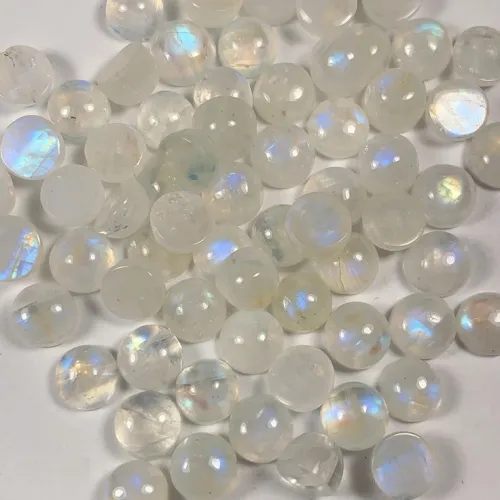
Regional geology leaves identifiable markers in moonstones, allowing observers to connect visual characteristics like color, texture, or sheen patterns with probable origins.
Consider someone selecting an engagement ring where a moonstone’s deep blue glow stands apart from others—perhaps hinting at Sri Lankan deposits versus India’s rainbow varieties. This scene links location to tangible qualities. For clearer insights:
Spotting these indicators requires observation techniques matching practical experience:
Such signals avoid assumptions: Transparent stones with few inclusions tend to come from Madagascar due to volcanic formation cleanliness, while Appalachian discoveries may contain matte quartz patches altering reflectance.
Practical verification and care considerations build confidence when handling moonstones. Evaluation should balance appearance inspection with realistic precautions.
Picture debating purchase options with a jeweler. Rather than guessing origins, methodically verify adularescence by rotating stones under light—ensuring internal glow isn’t surface-level coating. Since moonstone rates 6-6.5 on the Mohs scale, gently test cleavage lines for hidden cracks that affect durability. This grounded approach demystifies buying: While New York lacks natural moonstone, collectors explore downstream volcanic zones like Virginian mountains for raw finds. Store moonstone separately from harder gems to prevent abrasion, and always clean with mild soap avoiding harsh chemicals dissolving feldspar beds. Should the setting feel insecure? Protective bezel designs shield delicate stones during daily wear.
Beyond major sources, subtle production differences emerge across regions—from ethical mining practices to geological uniqueness shaping perceived value.
Ever wonder why "Sri Lankan" often precedes descriptions of blue moonstone? Regional pegmatites historically yield high-clarity stones with consistent thickness—a reputation backed by trace elements. Similarly, Ethiopian origins may reveal peach tones through iron diffusion during formation. Such nuances impact decisions: When traveling, prioritize government-licensed Sri Lankan dealers for verified sourcing rather than speculative claims. The question "Does origin affect moonstone pricing?" requires nuanced views—Indian rainbow varieties can command premiums depending on flash vibrancy despite lower rarity. Rarity itself fluctuates annually: Ethiopia’s recent peach-hued discoveries demonstrate how mineralogy keeps rewriting sourcing maps.
Moonstone’s journey culminates in mindful appreciation of geology’s tangible influences on daily encounters—helping collectors spot the extraordinary in ordinary moments.
Next time you admire jewelry or sift through pebbles outdoors, recall three guiding principles: First, tilt that glowy stone to check adularescence quality—is it floating light or surface shine? Second, trace texture stories—grainy surfaces imply riverbed travel while crystal clarity may suggest volcanic origins. Third, consider its life cycle before storing it: Shield cleavage surfaces with protective settings and avoid ultrasonic cleaners. As geology transforms stones from magma formations into wearable art, your informed gaze completes this journey. When standing before jewelry trays or creek beds, what subtle clues will you notice after these stories? Your curiosity becomes the bridge between distant mineral formations and the gem in hand.
Q: What US states yield moonstones?
A: Virginia’s Appalachia region contains primary finds alongside secondary traces in New Mexico and Pennsylvania—often sourced via hobbyist rock-hounding where erosion exposes minerals.
Q: Why do Sri Lankan stones showcase blue sheen?
A: Uniform feldspar layering developed in pegmatite formations diffracts shorter light wavelengths preferentially—producing moonstone’s signature blue "floating” effect.
Q: Can China produce genuine moonstones?
A: Limited deposits may exist, though Chinese sources today predominantly involve treated gems or synthetics. Natural finds tend toward lower transparency without characteristic sheen.
Q: How much should raw moonstone cost?
A: Pricing varies—Madagascan pieces with high clarity can fetch premiums while alluvial finds from smaller deposits like Tanzania tend toward accessibility. Market dynamics play a significant role.


$
