Authentic moonstone jewelry is primarily available through gem-specialized retailers with proven certifications, transparent online marketplaces providing geological reports, reputable vintage dealers for estate pieces, and artisan gem shows where sourcing details are verifiable. Genuine stones exhibit unique light phenomena and natural imperfections, typically requiring protective settings and careful handling.
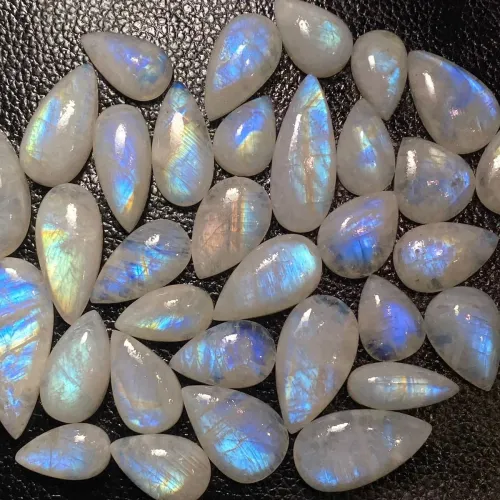
Picture scrolling through moonstone rings online, that milky blue surface glowing in professional photos, while you mentally gamble whether the "moonlight" will materialize in your living room. Or perhaps you've smiled at a gifted pendant while secretly poking it with suspicion—is this glass pretending to be gemstone? These everyday moments crack open the real questions: Where does authenticity hide, and how do ordinary people recognize it without gemology degrees? When inherited earrings come without paperwork or identically-described stones carry wallet-shocking price differences, you're not just hunting jewelry. You're seeking trustworthy sources that transform uncertainty into confident ownership. Beyond the core "where," you'll want to recognize that signature glow, spot fakes faster, and finally understand why some pieces seem to cradle moonlight inside stone—all before your next jewelry encounter.
Where are reliable places to purchase authenticated moonstone jewelry?
How do online retailers ensure genuine moonstone matches their product imagery?
What causes that unique luminous effect in natural moonstone?
How can everyday buyers detect differences between moonstone and common substitutes?
What practical verification techniques work without special equipment?
Why does proper care impact both longevity and value preservation?
Specialized gem retailers, certified online sellers, antique dealers, and transparent gem shows form the core purchasing options. These sources prioritize documentation like geological reports and provide detailed material origins.
A friend once spent weeks browsing online marketplaces for moonstone. They finally chose a seller showing actual geological certifications—not just store appraisals—with close-up videos demonstrating the stone's moving blue sheen under daylight. Geological Institute of America (GIA) or American Gemological Laboratories (AGL) reports typically specify mineral composition and natural origin markers. Established physical stores specializing in colored gemstones often display samples alongside raw mineral specimens from primary sources like Sri Lanka or India. At artisan-focused gem exhibitions, vendors might demonstrate cutting techniques and explain the layered feldspar structure creating that signature glow. This contrasts with mass-market shops, where synthetic spinel or opalite glass may lack verification trails. Ask directly for documentation showing potassium feldspar composition and natural inclusions.
Reputable online platforms provide natural lighting videos, return policies, and third-party certifications to bridge image-reality gaps. These practices help verify quality through direct inspection upon delivery.
Imagine clicking purchase after seeing a moonstone pendant shimmer beautifully in a studio photo. When the package arrives, the stone looks suspiciously perfect—no internal textures, with static milky color rather than shifting blues. This reflects inadequate lighting conditions hiding weak sheen in substitutes. Trustworthy sellers typically film moonstones outdoors or in daylight-simulating light boxes, rotating pieces at multiple angles to observe the adularescence effect. Return guarantees become essential safety nets: a fourteen-day window allows personal testing of qualities explained earlier, like thermal reaction differences between minerals and glass during palm tests. Some offer pre-purchase video consultations using magnification tools to share natural inclusions, preventing flawless pieces that often suggest artificial materials.
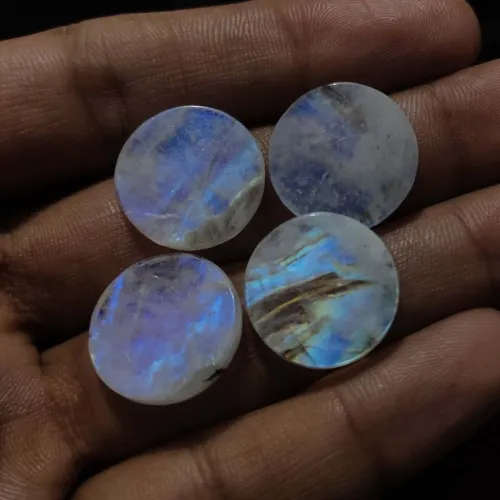
That luminous glow, scientifically termed adularescence, occurs through layered mineral diffraction scattering light waves. Its presence indicates authentic feldspar crystal formation developed over geological timescales.
Remember an heirloom piece passed down to you? Its persistent inner radiance feels hypnotic even after years. This floating light phenomenon distinguishes moonstone from pearls or opals with external shine. Adularescence happens when microscopic silicate layers interfere with light entering the translucent body. The stacked feldspar crystals—usually orthoclase or oligoclase—become natural diffraction filters. Picture sunlight hitting river rapids, creating fragmented surface patterns rather than a mirror reflection. Unlike manufactured sparkle, the inner glow glides as you tilt the stone under any constant light source. Moonstones from India or Myanmar might show deeper blue hues compared to rainbow varieties; their chemical formation layers determine how light refracts.
Real moonstone shows directional inner glow, natural inclusions, and specific thermal properties. Simulants lack moving light planes and often contain uniform glass characteristics.
Imagine spotting two seemingly identical necklaces at wildly different prices. The legitimate piece has slight variations in its shimmer cloud areas and faint micro-fractures you'd observe under phone magnification—inconsistencies confirming natural origin. Now consider glass or synthetic spinel duplicates: they appear homogeneous, either too transparent or with perfectly placed "imperfections" created in a lab. Their colors remain static from all angles, missing authentic moonstone's fluid transition between hues.
Verification tactics include comparative texture analysis, magnification inspections, and controlled lighting tests that don't require specialized tools.
A family story involves inherited earrings examined with a simple desk lamp and household magnifier. After rubbing a cotton cloth to remove fingerprints, they viewed scratches accumulated through years against the Mohs hardness scale—soft glass simulants scratch easier than natural moonstone. Documenting unique internal patterns through magnification builds personal identification references. Photograph milky veil trails that indicate mineral structure authenticity, especially useful later for insurance. Natural stones appear semi-translucent against bright backgrounds instead of completely transparent like glass. For online acquisitions, schedule delivery times allowing daylight inspection—artificial lighting often masks synthetic alternatives created in labs.
Due to moderate mineral hardness, moonstone needs protected settings and gentle cleaning to maintain its light-diffusing surface over decades.
You might hesitate wearing that inherited ring daily, worried about damaging its surface during routine chores. Remember, moonstone sits around 6-6.5 on the Mohs scale—coarser particles easily scratch it. Instead, reserve rings for occasional wear and favor necklaces. Clean only using warm soapy water with soft microfiber cloths; ultrasonic cleaners fracture microscopic feldspar layers diminishing adularescence. When storage becomes necessary, remember that gem compartments can cause collisions with harder gems leading to fractures. Valuation differences exist too: Sri Lankan "blue moonstones" carry pricing premiums while Indian-origin might appear cream-colored with silver-like shimmer. Rainbow moonstone variants displaying colorful flashes often demand higher pricing.
Focus evaluation priorities on layered light performance documentation, realistic protection strategies for delicate stones, and credible sourcing verification.
So when facing new purchase contexts—gem show visits after reading this material or clicking checkout tabs online—what should command attention? Remember practical steps like asking sellers directly: "Please share daylight videos showing the stone's inner light movement." Notice mounting quality since sturdy settings reflect commitment to preserving softer minerals. And consider long-term protection: even if purchasing vintage pieces immediately intended for special occasions only, ask sellers about pre-existing handling recommendations. These focus points help translate what you now understand into trustworthy experiences with moonstone.
Q: How should 'moonstone' be pronounced correctly?
A: Technically pronounced /ˈmuːnstoʊn/, though regional speaking variations commonly appear acceptable.
Q: Does moonstone officially classify as precious or semi-precious?
A: Industry systems categorize it as semi-precious currently, though adularescent quality specimens carry significant collector valuation.
Q: Can extended sunlight exposure cause fading?
A: Unlike some gems, untreated natural moonstone typically withstands light without color degradation when handled carefully according to longevity guidelines.
Q: What's the proper technique cleaning cloudiness safely?
A: Gentle non-alcoholic soap solutions applied via microfiber cloth typically remove accumulated surface films without abrasive damage.


$
